


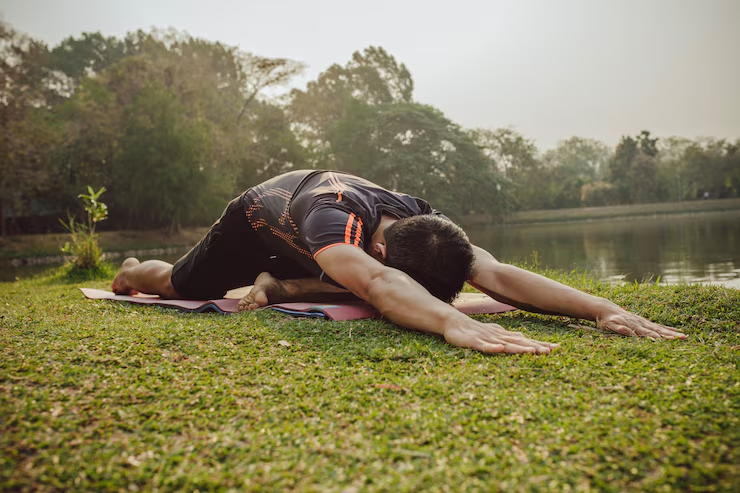
In recent years, yoga retreats have evolved beyond simple physical practice, transforming into holistic experiences that combine wellness, mindfulness, and cultural exploration. Travelers are increasingly seeking retreats that offer more than yoga and meditation, desiring programs that allow them to connect with local traditions, cuisine, and communities. This trend has given rise to holistic yoga retreats with cultural immersion, particularly in destinations like Bali, where spirituality, natural beauty, and rich cultural heritage create the ideal backdrop for transformative travel.
This article explores the key points behind the growing popularity of holistic yoga retreats that integrate cultural experiences, highlighting the benefits for participants seeking a comprehensive wellness journey.
Point 1: Integration of Yoga and Holistic Wellness
Modern holistic yoga retreats combine traditional yoga practice with complementary wellness activities. Daily sessions may include Hatha, Vinyasa, or Yin yoga, combined with meditation, breathing exercises, mindfulness workshops, and relaxation techniques.
The holistic approach addresses not only physical health but also mental clarity, emotional balance, and spiritual growth. Retreats often provide guidance for incorporating wellness practices into daily life, helping participants maintain long-term benefits beyond the retreat.
Point 2: Cultural Immersion Enhances the Retreat Experience
Cultural immersion has become a defining feature of many holistic yoga retreats. Participants engage in local traditions such as Balinese offering making (Canang Sari), cooking classes, herbal medicine preparation, or craft workshops.
These activities provide hands-on learning, allowing travelers to experience local life authentically while deepening their understanding of the culture. Cultural engagement adds depth and meaning to the retreat experience, transforming it from a simple vacation into a personal and educational journey.
Point 3: Community and Connection
Small group sizes and communal activities create a supportive environment that fosters meaningful social connections. Participants share meals, join workshops together, and practice yoga in groups, promoting camaraderie and a sense of belonging. Yoga retreats allow you to enjoy deep and lasting relaxation.
For solo travelers, these retreats provide an opportunity to meet like-minded individuals, exchange experiences, and form lasting friendships, enhancing both personal and social well-being.
Point 4: Focus on Nutrition and Culinary Experiences
Holistic retreats often emphasize healthy, locally sourced meals that support physical and mental wellness. Many programs include vegetarian or plant-based menus, fresh juices, herbal teas, and nutrition workshops.
Cooking classes and guided food experiences introduce participants to regional cuisine and culinary traditions, combining wellness with cultural learning. Nutrition becomes an integral part of the retreat, complementing yoga and meditation practices.
Point 5: Connection with Nature
Many holistic retreats are located in serene natural settings such as rice terraces, forests, or near rivers. Outdoor yoga sessions, nature walks, and meditation in natural surroundings enhance relaxation, mindfulness, and stress reduction.
Being immersed in nature not only improves physical and mental health but also strengthens the connection to the environment, fostering a sense of harmony and well-being.
Point 6: Accessibility for Beginners and Experienced Practitioners
Cultural and holistic yoga retreats are designed to accommodate participants of all skill levels. Beginners receive gentle guidance and modifications, while experienced practitioners can explore advanced techniques, meditation practices, or specialized workshops.
This accessibility ensures that everyone can benefit from the retreat, whether they are seeking relaxation, personal growth, or physical improvement.
Point 7: Personal Growth and Mindfulness
By combining yoga, meditation, cultural immersion, and wellness activities, holistic retreats provide a space for introspection and self-discovery. Participants develop mindfulness, emotional resilience, and a deeper understanding of themselves.
The integration of cultural activities enhances this process by encouraging reflection on different ways of life, traditions, and community values.
Point 8: Flexibility and Personalized Experiences
Many holistic retreats offer flexible schedules that allow participants to choose activities aligned with their interests. Options may include private yoga sessions, guided village tours, cultural workshops, sound healing, or free time for personal reflection.
This flexibility ensures a personalized experience that meets the individual needs and intentions of each participant.
Point 9: Stress Relief and Mental Clarity
The combination of physical practice, mindful meditation, nutritious meals, and cultural engagement promotes relaxation and mental clarity. Participants leave the retreat feeling rejuvenated, less stressed, and more focused.
Holistic yoga retreats provide tools and practices that can be applied in everyday life to maintain balance, reduce stress, and enhance overall well-being.
Point 10: Long-Term Benefits and Lifestyle Integration
Beyond the retreat, participants gain practical skills, mindfulness techniques, and cultural appreciation that can be integrated into daily routines. Lessons learned from yoga practice, nutrition, meditation, and cultural understanding support long-term personal growth and wellness.
Holistic retreats encourage sustainable lifestyle changes, ensuring that the benefits extend far beyond the days spent on retreat.
Conclusion
The rise of holistic yoga retreats with cultural immersion reflects a growing demand for travel experiences that combine wellness, personal growth, and meaningful cultural engagement. Participants no longer seek just physical exercise—they desire an integrated approach that nurtures the mind, body, and spirit while connecting them with local traditions and communities.
By offering yoga, meditation, nutritious meals, cultural workshops, and opportunities for social connection, these retreats provide a comprehensive and transformative experience. Holistic yoga retreats with cultural immersion allow travelers to recharge, gain new perspectives, and return home with lasting benefits that enhance both personal well-being and cultural understanding.
For those seeking a meaningful and rejuvenating escape, these retreats represent the perfect balance of wellness, learning, and authentic cultural engagement.
